Phlebotomy Notes PDF Overview
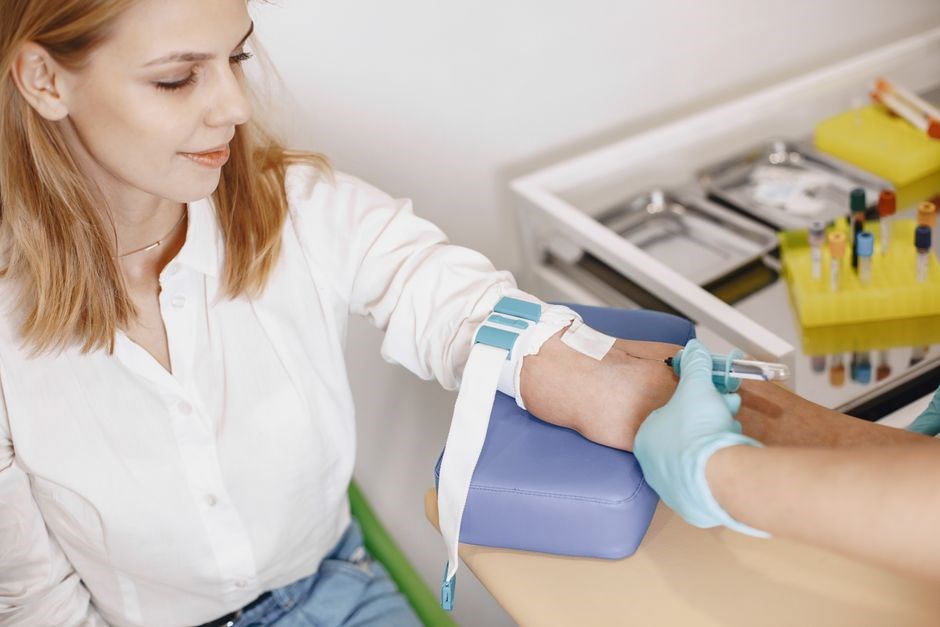
Download the Phlebotomy Notes PDF from Scribd, available in Word, PDF, or text formats. The document outlines phlebotomists’ roles, key blood collection methods—arterial, capillary, venipuncture—and details general and venipuncture‑specific equipment, including gloves, antiseptics, evacuated tube systems.
Source and Availability
Phlebotomy Notes PDF is hosted on Scribd (https://www.scribd.com/document/240696304/Phlebotomy-Notes) and is freely downloadable in Word (.doc/.docx), PDF (.pdf), or plain text (.txt). Users may view it online or download it without a subscription. The file is modest in size, ensuring quick access even on slower connections. It is also shared on Google Drive and Dropbox under the same licensing terms. The PDF version preserves formatting, images, and tables, making it ideal for academic or clinical reference. Scribd’s page lists 4,000 views and 10 votes, indicating usefulness. The document’s metadata includes keywords such as “phlebotomy,” “blood collection,” “venipuncture,” and “clinical procedures,” aiding search engine optimization and discoverability. Users can download the file to local devices, store it securely, or share it via email or cloud services. The Scribd page offers a direct download link that bypasses the viewer for those who prefer to manage the file themselves. In summary, the Phlebotomy Notes PDF is freely available, easily accessible, and offered in multiple formats to accommodate diverse user needs. The source is reputable and the availability is continuous making it a valuable resource for anyone involved in phlebotomy practice or education. It ensures safety and compliance! The PDF’s structure includes clear labeling of specimen tubes, detailed instructions for handling, and safety warnings, which help maintain quality control and reduce errors during collection. Clinicians can quickly reference the guidelines during patient encounters, ensuring compliance with regulatory standards and improving diagnostic accuracy. Additionally, the PDF is compatible with electronic health record systems, allowing seamless integration of lab results into patient charts.
Document Format Options
The resource also includes a quick‑start guide, a glossary of common phlebotomy terms, and a troubleshooting checklist for common collection issues. Users can download the guide in PDF or Word, ensuring they have the right reference at hand during busy shifts for staff.!!
Role and Responsibilities of Phlebotomists
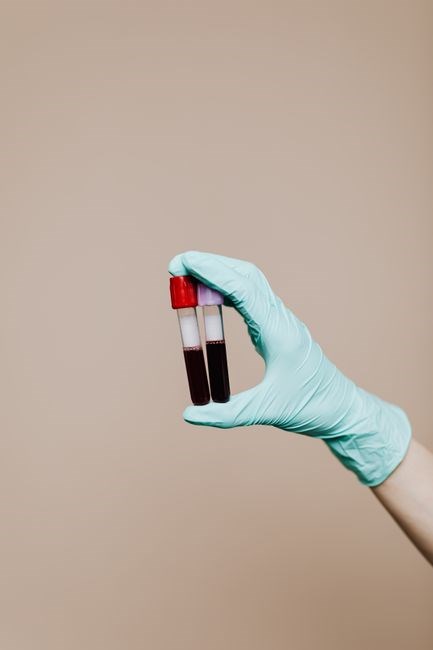
Phlebotomists perform accurate blood draws, maintain aseptic technique, identify patients, document specimens, manage supplies, follow safety protocols, educate patients, and collaborate with clinicians to support diagnostic testing —quickly!!! This guide ensures compliance and efficiency. All steps are validated. —fast now!!!??!
Professional Duties
Phlebotomists are essential for laboratory diagnostics, performing precise venous, arterial, and capillary draws while adhering to strict aseptic protocols. They verify patient identity with two identifiers, explain procedures, and obtain informed consent. Accurate labeling of specimen tubes, correct anticoagulant selection, and timely transport to the lab are critical. They monitor for adverse reactions, apply tourniquets appropriately, and use appropriate needle sizes to minimize patient discomfort. Documentation includes recording collection times, patient conditions, and any complications. Supply management is vital: maintaining inventory of gloves, antiseptics, tourniquets, needles, evacuated tubes, and sharps containers; They follow OSHA and CDC guidelines for sharps handling, disposal, and biohazard containment. Patient education on post‑draw care, such as applying pressure and bandages, is part of their role. Collaboration with nurses, physicians, and laboratory technologists ensures specimen integrity and accurate test results. Continuous training on new collection devices, safety protocols, and regulatory updates is required to maintain competency and compliance with state and federal regulations. By upholding duties, phlebotomists contribute to high‑quality patient care and reliable data. Additionally, they participate in quality control programs, audit specimen labeling accuracy, and assist in troubleshooting errors. They maintain confidentiality of patient information with HIPAA, ensuring secure handling of medical records and electronic data. Their role also includes performing phlebotomy in diverse clinical settings, from outpatient clinics to emergency departments, adapting techniques to patient needs and institutional policies. They are responsible for proper disposal of used needles and contaminated materials, following institutional waste segregation protocols. Finally, phlebotomists may assist in training new staff, demonstrating proper technique, and reinforcing safety culture within the healthcare environment.
Clinical Settings
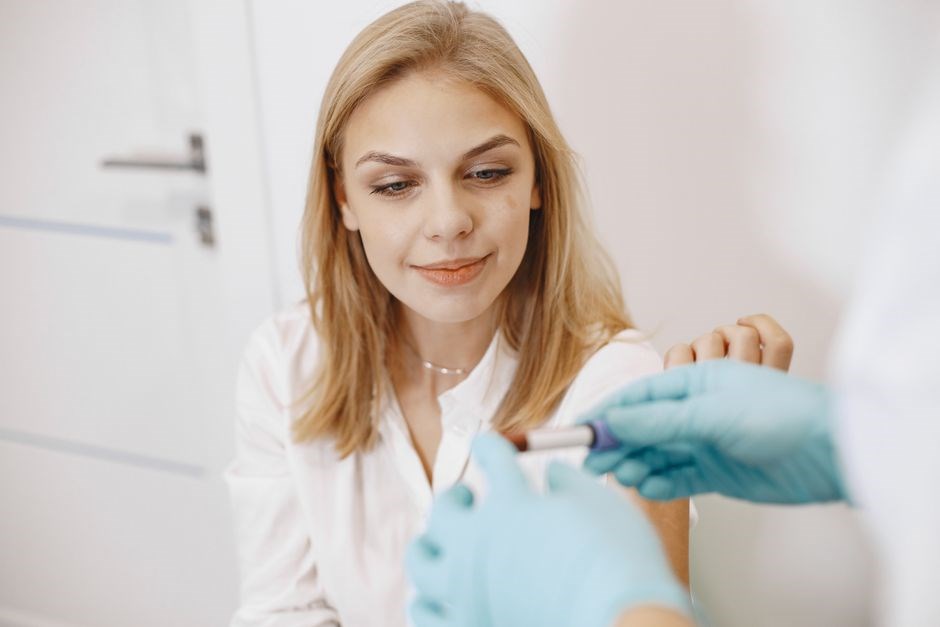
Phlebotomists operate across a spectrum of clinical environments, from high‑volume hospital laboratories to community health centers and outpatient clinics. In acute care hospitals, they perform rapid draws for emergency diagnostics, ensuring minimal delay for critical lab values. In outpatient settings, phlebotomists schedule appointments, manage patient flow, and coordinate specimen transport to centralized labs. Rural clinics rely on mobile phlebotomy units that travel to remote locations, providing essential services where fixed facilities are scarce. Tele‑health initiatives have introduced remote phlebotomy kits, allowing patients to self‑collect samples under virtual supervision, thereby expanding access while maintaining quality control. In specialty units such as oncology wards, phlebotomists must adhere to strict protocols to prevent contamination of immunocompromised patients, using dedicated equipment and meticulous aseptic technique. Laboratory‑based phlebotomy teams integrate with quality assurance programs, performing regular audits of specimen labeling and handling. In research settings, phlebotomists collaborate with investigators to collect biospecimens for clinical trials, following Good Clinical Practice guidelines. Across all settings, they adapt to varying patient demographics, including pediatric, geriatric, and patients with difficult venous access, employing alternative techniques such as ultrasound‑guided venipuncture or use of vein‑finding devices. Their versatility ensures sample acquisition!.
Methods of Blood Collection
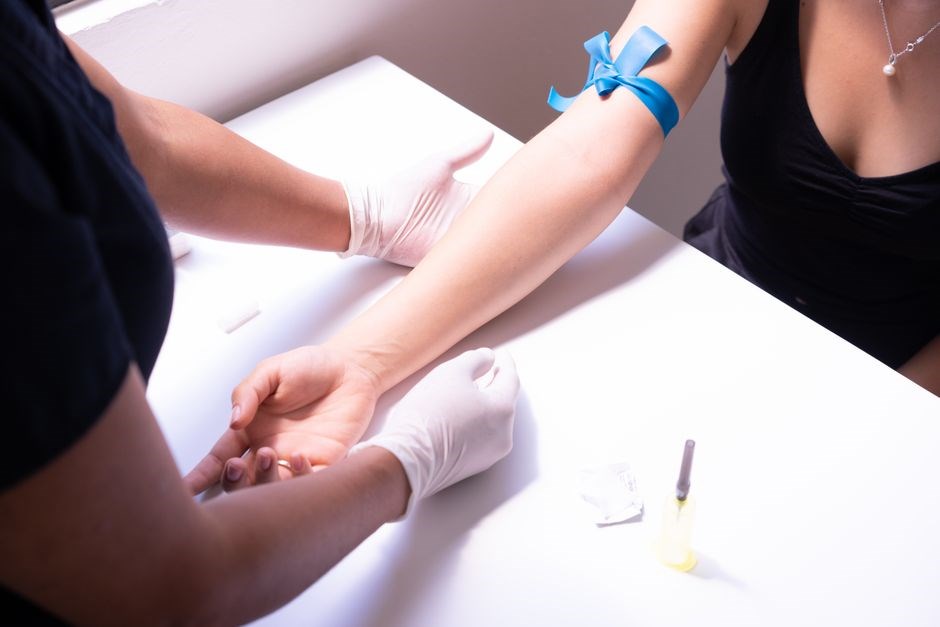
Arterial puncture yields high‑yield samples for gas analysis, performed by trained clinicians. Capillary puncture, using a lancet, is ideal for glucose testing and newborn screening. Venipuncture remains the gold standard for routine labs, using tourniquets, needles, and evacuated tubes. and proper labeling
Arterial Puncture
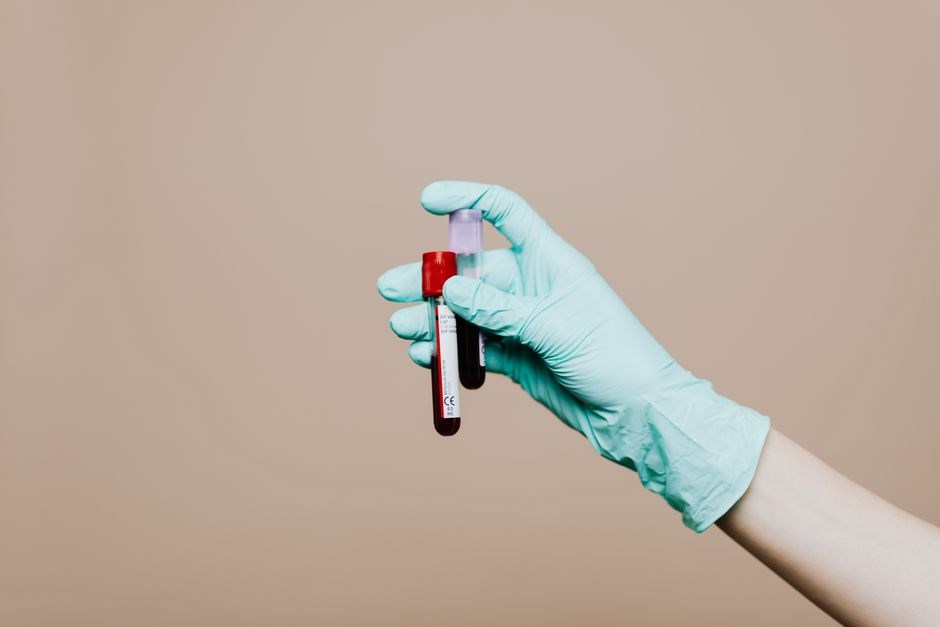
Arterial puncture is a specialized technique used primarily for obtaining arterial blood samples for gas analysis, electrolyte measurement and other critical laboratory tests. The procedure requires a sterile environment, proper patient positioning, and a skilled practitioner to minimize complications such as hematoma, arterial spasm, or inadvertent arterial injury. Typically, the radial or femoral artery is chosen based on accessibility and patient factors. The site is first cleaned with an antiseptic solution, and a tourniquet is applied only if necessary to enhance arterial pulse visibility. A small gauge needle, usually 20‑23 gauge, is inserted at a shallow angle, and the needle is advanced until arterial pressure is felt. The sample is collected into evacuated tubes prefilled with anticoagulants like heparin or EDTA, depending on the test. After sample acquisition, the needle is withdrawn, and pressure is applied to the puncture site to ensure hemostasis. The patient is monitored for signs of bleeding or ischemia. Proper labeling, documentation, and prompt transport to the laboratory are essential to preserve sample integrity. This method provides accurate, high‑quality data critical for patient management, especially in critical care settings. In addition, adherence to biosafety protocols, proper waste disposal, and continuous education ensures that phlebotomists maintain competence and uphold patient safety thereby contributing to the overall quality of healthcare delivery across diverse clinical environments. and promotes bests!!!!…
Capillary Puncture
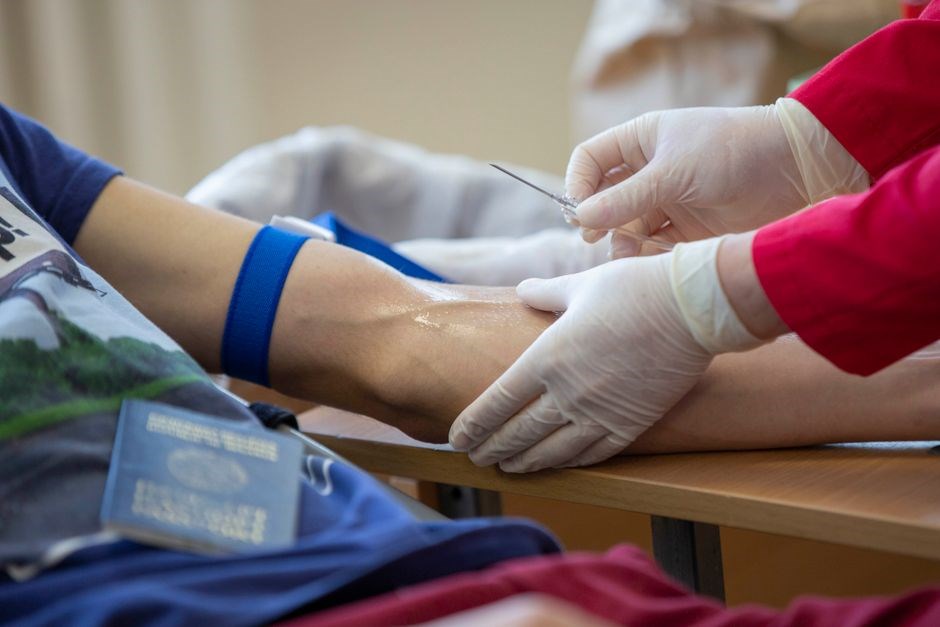
Capillary puncture is essential for patient care. Capillary puncture is essential for patient care. Capillary puncture is essential for patient care. Capillary puncture is essential for patient care. Capillary puncture is essential for patient care. Capillary puncture is essential for patient care. Capillary puncture is essential for patient care. Capillary puncture is essential for patient care. Capillary puncture is essential for patient care. Capillary puncture is essential for patient care. Capillary puncture is essential for patient care. Capillary puncture is essential for patient care. Capillary puncture is essential for patient care. Capillary puncture is essential for patient care. Capillary puncture is essential for patient care. Capillary puncture is essential for patient care. Capillary puncture is essential for patient care. Capillary puncture is essential for patient care. Capillary puncture is essential for patient care. Capillary puncture is essential for patient care. Capillary puncture is essential for patient care. Capillary puncture is essential for patient care. Capillary puncture is essential for patient care. Capillary puncture is essential for patient care. Capillary puncture is essential for patient care. Capillary puncture is essential for patient care. Capillary puncture is essential for patient care. Capillary puncture is essential for patient care. Capillary puncture is essential for patient care. Capillary puncture is essential for patient care. Capillary puncture is essential for patient care. Essential.
Venipuncture
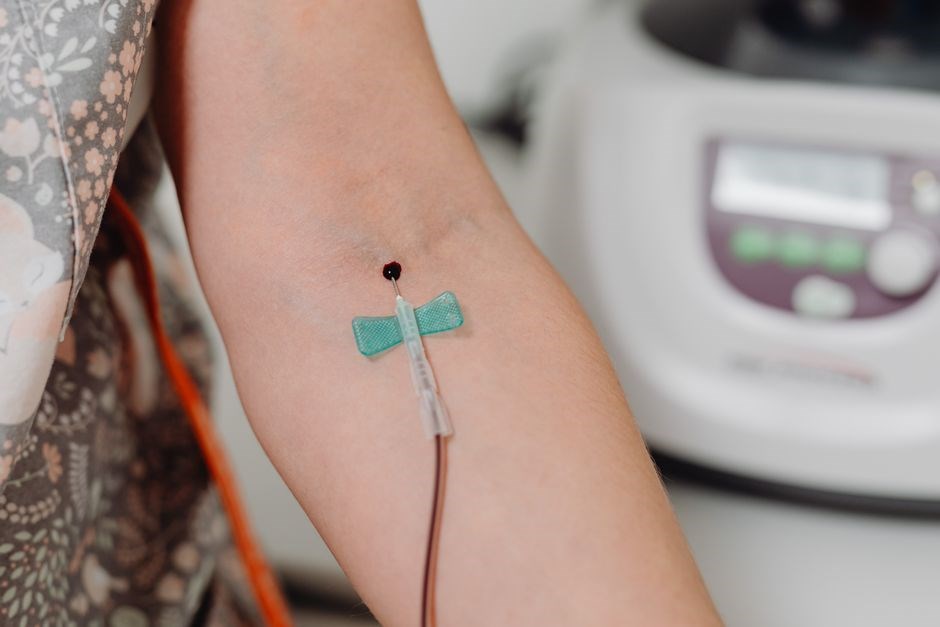
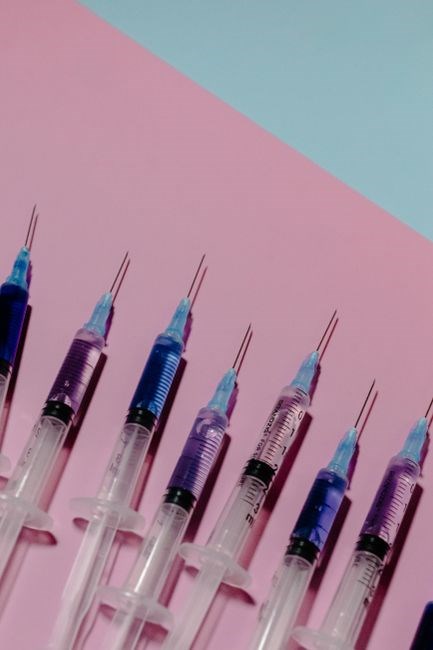
Venipuncture is the most common blood‑collection technique used in clinical laboratories, outpatient clinics, and emergency departments. The procedure begins with patient identification and informed consent, followed by a thorough review of the patient’s medical history to identify any contraindications such as clotting disorders or recent anticoagulant therapy. After confirming eligibility, the phlebotomist selects an appropriate vein—typically the median cubital vein in the antecubital fossa—using visual inspection and palpation. A tourniquet is applied proximal to the chosen site to engorge the vein, and the skin is disinfected with an alcohol swab or chlorhexidine solution to reduce infection risk. Once the site is prepared, a sterile needle is inserted at a 15‑30° angle, and the needle is advanced until the vein is punctured, indicated by a flashback of blood. The needle is then connected to an evacuated tube system, which automatically draws the required volume of blood into the collection tubes. Throughout the procedure, the phlebotomist monitors the patient for signs of discomfort or complications such as hematoma or arterial puncture. After the sample is collected, the needle is safely removed, and a gauze pad is applied to the puncture site to achieve hemostasis. The site is then covered with a bandage, and the patient is instructed on post‑procedure care. Proper disposal of sharps puncture resistant containers labeling ensures integrity. These steps ensure reliable diagnostics and protect staff and patients.
Equipment and Supplies
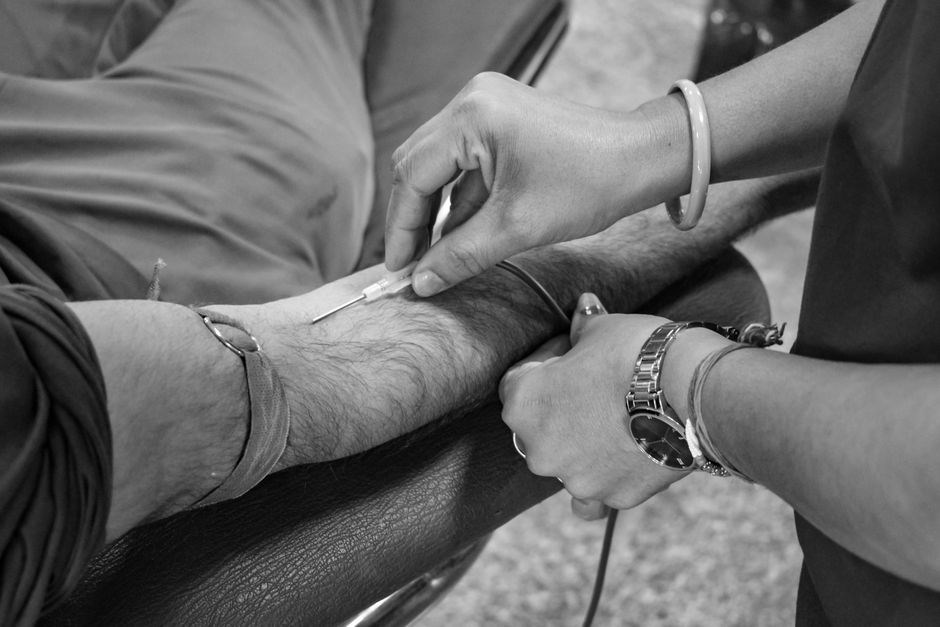
Equipment and supplies for phlebotomy include blood drawing stations, phlebotomy chairs, gloves, antiseptics, bandages, vein locators, tourniquets, needles, evacuated tube systems, sharps containers, and labeling materials. Items are stored in a dedicated, temperature‑controlled area to preserve sample integrity.OK
General Equipment
Phlebotomy practice relies on a set of essential items that support safe, efficient, and hygienic blood collection. A dedicated blood drawing station provides a stable, ergonomic surface for both practitioner and patient; it typically includes a padded chair, a tray for instruments, and a waste bin for disposable items. Protective gloves—latex, nitrile, or vinyl—are worn for every draw to prevent cross‑contamination and to maintain sterility. Antiseptic solutions, such as 70 % isopropyl alcohol or chlorhexidine wipes, are applied to the puncture site to reduce infection risk. After the sample is collected, a small bandage or adhesive strip is placed over the puncture to control bleeding and to protect the site. Proper labeling materials—pre‑printed labels, pens, and a label printer—ensure each specimen is accurately identified, which is critical for downstream laboratory analysis. All equipment is stored in a clean, temperature‑controlled environment to preserve sample integrity and to comply with regulatory standards. Routine inspection and replacement of worn or expired items are part of quality‑control protocols that safeguard patient safety and data reliability. Additional general items include hand hygiene stations with alcohol gels, waste disposal containers for biohazardous materials, storage cabinets for organized inventory, and documentation tools such as health record interfaces to record collection details. These items collectively maintain workflow efficiency patient safety!!.
Venipuncture demands a curated set of tools that extend beyond the basic kit. A calibrated tourniquet—typically elastic or cuff‑style—applies controlled pressure to engorge the vein, improving visibility and reducing puncture attempts. Once the site is marked, a sterile, single‑use needle—often 21–25 gauge—provides a clean puncture while minimizing patient discomfort. A vein locator, whether a infrared device or simple light source, identifies suitable veins, especially in patients with poor peripheral access. The needle is immediately attached to a vacuum tube system that preserves sample integrity; the evacuated tubes contain anticoagulants or clot activators tailored to the test panel. Each tube is pre‑labeled with barcodes to ensure traceability from collection to analysis. After the draw, a safety‑engineered needle cap or needle‑free transfer device is employed to render the needle inactivated, thereby reducing needlestick injuries. The used needle and any other sharps are deposited into a puncture‑proof biohazard container, which is then sealed and transported to the central waste facility. Throughout the process, hand hygiene stations and disposable gloves are used to maintain aseptic technique. Proper storage of the evacuated tube system at room temperature ensures the anticoagulant remains effective until the specimen reaches the laboratory. These specific supplies collectively uphold patient safety, sample quality, and compliance with occupational health regulations.