Hoover washers use pictograms to guide cycles, temperatures, and care. Familiarizing with these icons saves time, prevents damage, and ensures efficient, safe operation for every load. keep machine running smoothly.!
What are washing machine symbols?
Washing‑machine symbols are pictograms that convey essential instructions for operating a Hoover appliance. Each icon represents a function—such as water temperature, wash duration, spin speed, or fabric type—allowing users to set the correct cycle without reading lengthy text. The symbols are standardized across many models, so a symbol for “cold water” will look the same on a 2018 washer as on a 2024 unit. By interpreting these icons, you can quickly choose the appropriate wash program for delicate linens, heavy cottons, or quick refreshes. The visual language is designed to be intuitive; a thermometer icon indicates temperature, a water droplet shows water level, and a spinning wheel denotes spin speed. Understanding the meaning of each symbol reduces the risk of over‑washing, fabric damage, or inefficient energy use. Hoover’s manuals provide a legend that pairs each pictogram with its function, ensuring that users can navigate the control panel confidently. Mastering these icons empowers you to tailor each load to its specific needs, extending garment life and optimizing machine performance It saves time
Common Hoover Symbols and Their Meanings
Hoover icons fast show water temp, speed, fabric type, wash time. Thermometer = cold/hot; spinning wheel = spin rate; cloth icon = delicate care. Use the legend to match symbols with load type, ensuring efficient water use and garment care. And cycle..
Temperature symbols
Temperature symbols on Hoover washers are simple yet informative. The icon typically resembles a thermometer, with a small line indicating the maximum safe temperature for the selected cycle. The symbol may appear in three variations: a blue line for cold water, a green line for warm, and a red line for hot. When the machine displays a red line, it signals that the cycle will use hot water, which is suitable for heavily soiled garments or for disinfection purposes. A blue line indicates that the washer will use cold water, which is energy efficient and gentle on fabrics, ideal for delicate or color‑fast items. In addition, some models feature a small “°C” or “°F” notation next to the line, allowing users to see the exact temperature range. The temperature symbol is usually located near the wash program selector, making it easy to match the desired setting with the correct water temperature. By understanding these symbols, users can choose the appropriate cycle for each load, ensuring optimal cleaning performance while protecting clothing and conserving energy.eco dry
Water level symbols
Water level icons on Hoover machines help you load the drum correctly. A simple line with a small “W” or a series of bars indicates the recommended fill. A single bar means low water, suitable for small loads or delicate fabrics. Two bars represent medium water, ideal for average loads. Three bars indicate high water, used for large or bulky items. The icon is usually placed next to the temperature symbol and the spin speed selector. By matching the bar count with the load size, you avoid over‑filling, which can cause excess water usage and longer spin times, or under‑filling, which may lead to insufficient cleaning. Some newer models display a numeric value (e.g., 30 L, 50 L, 70 L) beside the bars for precise measurement. Always read the manual for model‑specific variations. Proper water level selection improves energy efficiency, reduces wear on the drum, and ensures a thorough rinse. Remember to adjust the level when switching between cotton, synthetics, or mixed fabrics to maintain optimal performance and prolong appliance life. Use the icon as a quick reference to keep your laundry routine efficient and eco‑friendly; Adjusting the water level not only saves energy but also protects delicate fabrics from over‑stretching and prevents excessive noise during spin cycles, ensuring a quieter, longer‑lasting appliance and durability!!!.
Spin speed symbols
Spin speed icons on Hoovermachines are simpleyet informative!!!A small circle with a number inside shows the maximum revolutions per minute (RPM) drum reaches during the spin cycle. A circle with “400” means the washer will spin at 400 RPM; “800” indicates a higher speed for heavy fabrics. The icon is usually located near the temperature and water level symbols, allowing you to match spin speed with fabric type and load size. Lower RPMs suit delicate or wool garments to prevent damage; higher RPMs remove excess water from towels, jeans, or heavy bedding, cutting drying time. Some models feature a slider or dial that displays the speed as a numeric value, but the pictogram remains the universal reference. Adjusting spin speed affects noise; higher speeds increase vibration, while a lower setting on a full load reduces motor wear and drum noise. Always consult the user manual for model-specific speed ranges and recommended settings for different fabric categories. Proper spin speed selection extracts water efficiently, saves energy, and extends the life of clothes and the machine.
Fabric type symbols
Hoover washing machines use a set of pictograms to indicate the appropriate cycle for different fabric categories. A simple cotton icon—usually a stylized cotton boll—signals that the garment is made of natural fibers and can tolerate a standard wash at moderate temperatures. A triangle with a dot inside represents synthetic blends; these fabrics benefit from a gentler agitation pattern and lower spin speeds to avoid stretching. Wool and delicate materials are marked by a small icon of a sweater or a hand, indicating that the cycle should be set to “delicate” or “hand wash” mode, with minimal agitation and a cool water temperature. The icon of a pair of shoes or a sneaker denotes the “shoes” or “sports” cycle, which uses a short wash and a high spin to remove sweat and dirt. For heavily soiled items, a symbol of a spray bottle or a water droplet combined with a wrench indicates a “heavy duty” or “pre‑wash” option. By matching the icon to the garment’s fabric type, users can protect fibers, reduce shrinkage, and improve cleaning performance. Always consult the specific Hoover model’s manual for variations in iconography and recommended settings. Use the icon to select the best cycle for each load, ensuring care.
Interpreting Symbols in the User Manual
Read the symbol diagram carefully: each icon maps to a specific wash setting. Match the pictogram to the cycle selector, then adjust temperature, spin speed, and rinse options accordingly for optimal results. Keep it simple.!
How to read the symbol diagram
Start by locating the legend on the manual’s front cover or inside the instruction booklet. The legend lists each pictogram with a brief description. Next, identify the icon that matches the wash setting you intend to use. Hover over the icon in the diagram to see a tooltip in some digital manuals, or flip to the corresponding page for a printed version. Pay close attention to the icon’s orientation: a tilted line indicates a lower temperature, while a straight line suggests a higher setting. When multiple icons appear together, read them from left to right, as they represent a sequence of steps—pre‑wash, main wash, rinse, and spin. If the manual includes a color key, use it to confirm the icon’s function: blue typically means cold water, red hot water, and green indicates a gentle cycle. Finally, cross‑reference the icon’s description with the cycle options on the machine’s control panel to ensure you select the correct setting. This systematic approach guarantees accurate interpretation and optimal laundry results.
Refer to machine screen for updates today.
Using symbols for cycle selection
When you press the cycle button, a set of icons appears on the display. Each icon represents a specific wash program, such as cotton, synthetics, or delicate. To choose a cycle, match the icon on the screen with the corresponding symbol in the manual’s legend. For example, a cotton icon with a straight line indicates a high quick a fast spin, while a cotton icon with a curved line signals a gentle spin. If the machine offers a “quick wash,” look for a clock symbol; the number inside tells you the approximate duration. For temperature‑controlled cycles a thermometer icon with a minus sign shows whether the now wash will be hotor cold. Once you have identified the desired icon, press the “select” or “start” button. The machine will automatically set the water level, spin speed, and wash time based on that icon. If you need to adjust any parameters, use the “adjust” button to fine‑tune the icon’s settings. Always double‑check the icon before starting to avoid over‑washing delicate fabrics or using an incorrect temperature. This icon‑based approach keeps the process intuitive and reduces the risk of user error, ensuring that each load receives the proper care it requires. Enjoy efficient, hassle‑free laundry with clear visual guidance.
Troubleshooting with Symbol Guidance
When a symbol flashes, consult the manual’s error list. A red exclamation marks a fault; a green check confirms. Reset by unplugging, then restart. Contact support if needed
Common symbol-based error codes
Hoover washers use pictograms to signal faults. Common symbols include a red exclamation mark for drainage issues, a blue water droplet for level sensor faults, a green check‑mark for successful completion, and an orange triangle for mechanical jams. When a symbol lights up, unplug the unit, wait 30 seconds, then reset by plugging it back in. If the symbol persists, consult the manual’s error table for the exact code and recommended fix. Typical remedies are checking the drain hose for kinks, cleaning the filter, ensuring the door latch is closed, and verifying water supply valves are open. Persistent errors may require a technician. Regular maintenance such as keeping the filter clean and inspecting the machine for debris reduces symbol‑based problems. If the error code remains unchanged after resetting, check the water inlet filter for clogs, verify the drain hose is not kinked, and ensure the door latch engages fully during the cycle. Finally, if the machine still displays the same symbol after all checks, it may indicate a faulty control board or sensor, and service is advised! See manual for diagrams!!.
Steps to resolve symbol-related issues
When a symbol lights up on a Hoover washer, first unplug the unit for safety. Wait 30 seconds, then plug it back in and reset the display. If the symbol persists, check the water inlet filter for clogs and clear it. Inspect the drain hose for kinks or blockages; straighten or replace if necessary. Verify the door latch is fully closed; a loose latch can trigger error icons. Ensure the water supply valves are open and the water pressure is adequate. For spin‑related symbols, confirm the load is balanced and not overloaded. If a temperature symbol appears, check the thermostat and heating element for faults. Review the user manual’s error table for the specific code, as each symbol corresponds to a particular fault. If the issue remains after these steps, consult the service section of the manual for troubleshooting guidelines or contact Hoover support. Regular maintenance—cleaning filters, checking hoses, and ensuring proper loading—reduces symbol occurrences and keeps the machine running efficiently. Additionally, if the symbol indicates a door lock fault, inspect the lock mechanism for debrischeck sensor

Manufacturer Variations and Updates
Hoover models vary in symbol sets; newer units use digital displays, older ones analog icons. Updates add eco‑mode symbols or safety locks. Always check the manual for correct interpretation. Refer to updates for new icons.!!
Differences between Hoover models
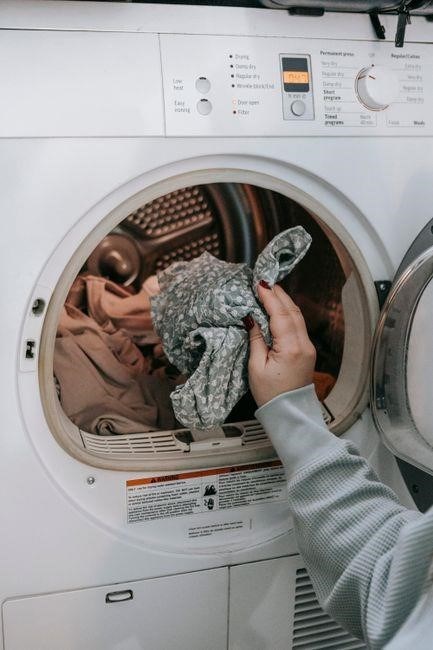
Older Hoover washers use printed pictograms on the control panel, each icon representing a wash cycle, temperature, or fabric care. These simple, standardized symbols are common across legacy models, making it easy to transfer knowledge between units. Newer models shift to digital displays that overlay or replace the traditional icons with text and interactive touch controls, adding energy‑saving modes, water‑level adjustments, and safety locks. The level of detail also varies: classic models use broad shapes, while recent releases employ nuanced graphics, color coding, and miniature illustrations to distinguish delicate from heavy‑fabric options. Placement differs, too—older units display icons on the dial or a small panel, whereas modern machines show them on a central LCD or touchscreen, allowing dynamic updates and firmware‑driven changes. Because of these variations, always consult the specific user manual for each Hoover model to ensure accurate interpretation and optimal use of the appliance.
These differences influence cycle choice, water use, and maintenance, check the manual before running!.
Recent updates to symbol sets
Hoover has refreshed its iconography to align with EU energy‑efficiency standards. New symbols now include a green leaf for eco‑mode, a lightning bolt for high‑speed spin, and a water droplet with a slash to indicate no‑wash. The fabric‑type icons have been refined: a wool icon now shows a stylized sheep, while cotton is represented by a simple thread loop. Temperature markers use a thermometer with colored bands—red for hot, orange for warm, blue for cold—replacing the old single‑color icons. Water‑level indicators are now three‑tiered, showing low, medium, and high levels with distinct shapes. Spin‑speed symbols have been updated to a rotating arrow with numeric values (400, 800, 1200 rpm) instead of generic symbols. These changes improve clarity, especially for users with visual impairments, and are reflected in the latest firmware updates across the 2025 and 2026 model ranges.
These updates also add accessibility features such as larger icons and tactile markers, helping users with limited vision operate the machine. The manufacturer offers PDFs for today! quick! reference.

Safety and Maintenance Tips
Read the symbol guide before use. Keep drawer clean, dail avoid overloading,andcheck hoses for leaks. Use spin speed icon to protect fabrics. Inspect door seal, replace if cracked!.
Safety precautions related to symbols
Before operating a Hoover washer, always consult the symbol legend on the control panel. Ensure the door latch icon is closed before starting; an open latch will trigger a safety interlock. Verify that the temperature symbol matches the fabric’s heat tolerance—using a high‑heat icon on a load can scorch fibers. Check the water‑level symbol to avoid overfilling; excess water may cause leaks or over‑spinning. Confirm the spin‑speed icon aligns with garment weight; a high‑speed setting on a fabric can tear threads. Keep the detergent dispenser clear of clogs, as a blocked icon may lead to residue buildup, fire risk. Inspect the drain hose for kinks before each cycle; a kinked hose can cause water backup and electrical hazards. Never leave the machine unattended while the heating element icon is active, and unplug the unit when cleaning the lint filter icon area. Follow the user manual’s safety icon warnings to prevent electric shock, burns, or mechanical injury. Regularly review the symbol updates in the latest model’s guide to stay compliant with new safety standards.
Cleaning and maintenance based on symbols
Use the symbol guide to schedule routine care. The lint‑filter icon signals when to empty the filter; a clogged filter triggers a warning symbol and reduces airflow, leading to overheating. The water‑level icon indicates the maximum fill; cleaning the inlet screen when the icon shows a full line prevents debris from entering the drum. The detergent drawer icon, marked with a small bottle, should be wiped after each use to avoid residue buildup that can cause mold and odor. The drum‑cleaning cycle icon—usually a circle with a water droplet—should be run monthly; follow the manual’s instructions to add the recommended cleaner. The door‑seal icon, depicted as a rubber gasket, requires inspection for cracks; replace if the icon’s warning appears. The rinse‑cycle icon, a water swirl, reminds you to rinse the filter and drain hoses regularly. The energy‑saving icon, a leaf, indicates when to use eco modes; cleaning the filter during these cycles ensures optimal efficiency. Finally, the maintenance‑check icon, a wrench, prompts a yearly service check; follow the manual’s checklist to inspect belts, bearings, and electronics. Check the symbol guide before each wash.
Resources for Symbol Reference
Explore official Hoover manuals online, use the manufacturer’s website, consult the PDF download portal, and browse trusted databases like ManualsLib for up‑to‑date symbol charts. Bookmark these resources for quick reference Now
Online symbol databases and manuals
For Hoover washing machine symbols, the official Hoover website offers a downloadable PDF user guide with a full icon legend, cycle descriptions, and troubleshooting tips. Older models can be found in the Hoover archive section, still containing the same pictograms. ManualsLib hosts thousands of appliance manuals; a quick search for “Hoover washing machine symbols” returns the exact icon set for most models. The community repair site iFixit provides step‑by‑step guides referencing the same symbols. A searchable icon‑library page on the European Consumer Centre website offers a database of washing‑machine symbols across brands, including Hoover. The mobile app “Hoover Smart” (if supported) shows real‑time icon overlays on the machine’s display, helping users match on‑screen symbols to the physical controls. All these resources together provide a comprehensive reference for every symbol you’ll encounter on a Hoover washer. Additionally, the Hoover community forum offers user‑shared tips and custom cycle tweaks that can be applied from the symbol guide. Now
Downloading official Hoover manuals
To obtain an authentic Hoover washing‑machine manual, begin at the official Hoover website. Click the “Support” tab, then choose “Manuals & Downloads.” Enter your model number or browse the list of appliances; the site will filter the available documents; Hoover provides PDF files for each model, containing the full symbol key, cycle options, and safety warnings. For older units, the “Archive” section hosts legacy manuals that still reference the same pictograms. Once the PDF appears, click the download icon or right‑click to save the file to your computer or mobile device. The downloaded manual can be opened with any PDF viewer, and many devices allow you to bookmark the “Symbols” page for quick reference. If your model is not listed, the “Contact Support” form lets you request a manual by providing the serial number; Hoover’s customer service typically responds within 48 hours. Additionally, the “Hoover Smart” app, available on iOS and Android, offers a built‑in manual viewer that highlights symbols on the screen when you scan the machine’s display. This digital approach eliminates paper and gives the sym for troubleshooting now