Squadron Formation and Composition
Each squadron comprises 12 pilots, 4 support crew, and 2 maintenance teams. Roles span lead, wingman, and gunner. Balanced mix of veteran and rookie pilots ensures skill transfer. Aircraft are paired by mission type, with redundancy for critical systems. Each aircraft has a lead backup and for continuity.
Personnel Roles and Responsibilities
In a modern combat squadron, each member is assigned a precise function that collectively ensures mission success. The pilot, as the primary decision‑maker, manages aircraft systems, navigation, and tactical engagement while coordinating with the weapons officer. The weapons officer, or gunner, is responsible for target acquisition, weapons loading, and real‑time fire control, maintaining situational awareness through advanced sensor suites. The flight engineer monitors engine performance, fuel management, and system diagnostics, intervening during in‑flight anomalies. Ground support personnel include logistics specialists who handle spare parts, ammunition, and sustainment schedules, and communication technicians who maintain secure links between the squadron and command. Maintenance crews perform pre‑flight inspections, routine servicing, and emergency repairs, ensuring aircraft readiness. Each role requires rigorous training, cross‑functional drills, and adherence to standard operating procedures, fostering a culture of accountability and seamless integration across the squadron’s operational spectrum.
Operational readiness relies on bi‑weekly cross‑training, where pilots and support crews run simulated missions. Each drill tests decision speed, weapons accuracy, and system diagnostics under threat scenarios. Results feed into after‑action reviews, refining SOPs and ensuring squadron members adapt swiftly to evolving combat challenges. These exercises build and coordination stress!!.
Tactical Objectives and Mission Planning
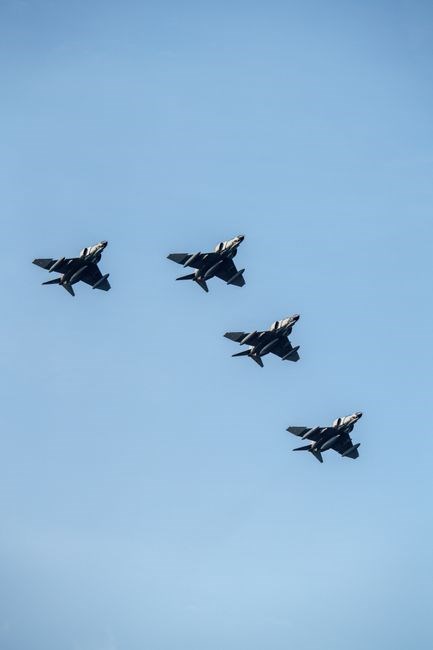
Mission planning centers on achieving air superiority, securing high‑value targets, and protecting friendly assets. Objectives are defined by threat assessment, target priority, and available resources. Plans incorporate ingress/egress routes, timing windows, and coordinated support from ISR assets. (planned
Mission Briefing Structure
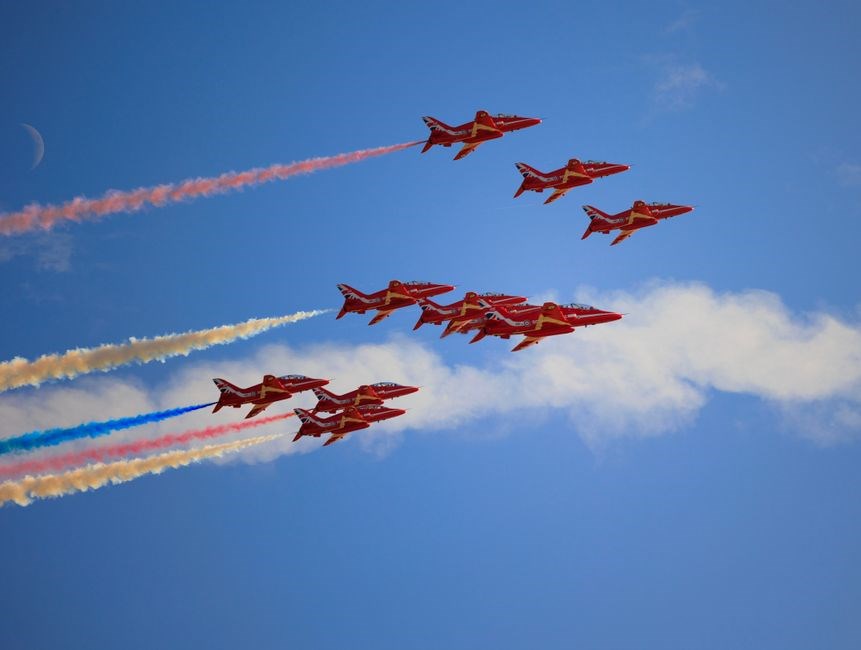
The briefing follows a strict, time‑boxed sequence designed to align all squadron members with the mission’s tactical intent. It begins with a concise Situation overview: enemy disposition, terrain, weather, and intelligence gaps. Next, the Mission statement defines the primary objective, success criteria, and any constraints. The Execution segment details the attack plan, including ingress routes, altitude layers, attack vectors, and expected enemy reaction. Each aircraft’s Role—lead, wingman, gunner, or support—is clarified, with specific tasks and contingency actions. The Command and Control section outlines the hierarchy, communication protocols, and fallback plans. Finally, the Safety and Logistics brief covers egress routes, refueling points, medical support, and equipment checks. The briefing concludes with a quick Q&A to resolve ambiguities and a final Read‑back to confirm understanding.
Operational tempo is governed by a strict schedule: pre‑flight checks at 0600, ingress at 0630, engagement window 0700‑0730, and egress at 0745. All pilots synchronize via a shared timecode, ensuring simultaneous attack vectors. Debriefing is conducted immediately after egress, with each pilot reporting anomalies, target data, and sensor feeds. The squadron’s intelligence officer consolidates reports, updates the mission database, and feeds corrections back to next sortie.
Aircraft Selection and Loadout
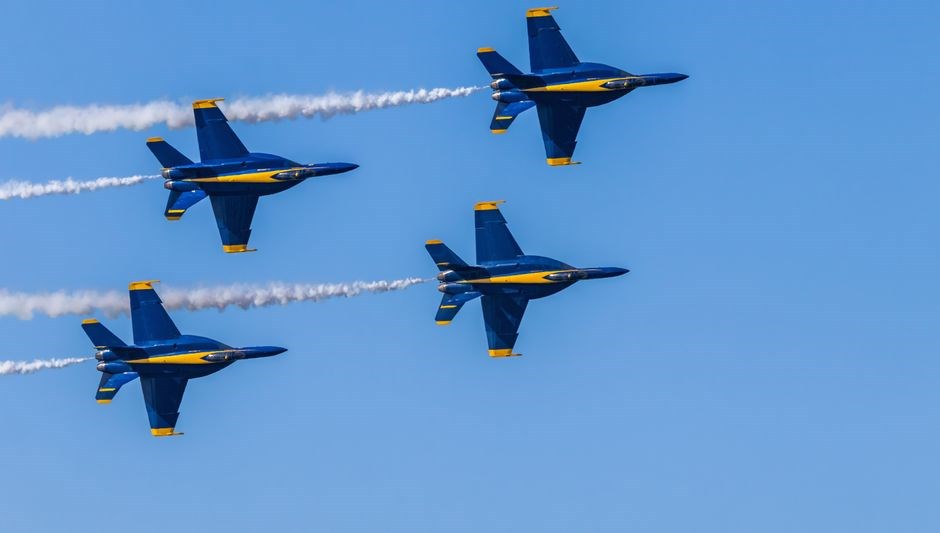
Aircraft chosen for mission type, range, payload, and survivability. Typical platforms: F‑35, Eurofighter Typhoon, Rafale. Loadouts include air‑to‑air missiles, precision bombs, EW pods, and countermeasures. Each aircraft is configured to meet specific operational needs. needs. for all phases of ops!
Armament Configurations
Mission‑specific loadouts are engineered around payload capacity, aerodynamic envelope, and electronic warfare requirements. A typical strike‑capable aircraft carries a mix of air‑to‑air missiles (e.g., AIM‑120 AMRAAM, R-73), precision bombs (JDAM, Paveway IV), and a short‑range cannon for close‑air combat. The total ordnance weight is capped at 70–80% of the aircraft’s maximum take‑off mass to preserve climb performance and fuel economy. Load distribution follows the center‑of‑gravity limits; weapons are mounted on hardpoints that are grouped into forward, mid‑and aft sections. Forward hardpoints are reserved for high‑speed, high‑damage missiles, while mid‑section hardpoints accommodate bombs and glide‑bombs that require a stable release envelope. Aft hardpoints are typically used for counter‑measure dispensers and chaff/flare pods. Electronic warfare pods, such as the AN/ALQ‑218 or the CAPTOR‑E, are mounted on the rear fuselage to provide radar jamming and electronic counter‑measure coverage. Counter‑measure systems include both active and passive defenses: chaff dispensers, infrared flares, and active radar jamming emitters. The selection of armament is guided by the threat assessment, mission duration, and required survivability. For high‑risk environments, a heavier EW load and more chaff/flare capacity are prioritized, whereas low‑risk missions may opt for a lighter load to maximize fuel range. The armament configuration is finalized during the pre‑flight planning phase, where mission planners balance lethality, range, and survivability to meet tactical objectives while staying within the aircraft’s structural limits. This balances firepower with survivability!!!
Navigational and Communication Protocols
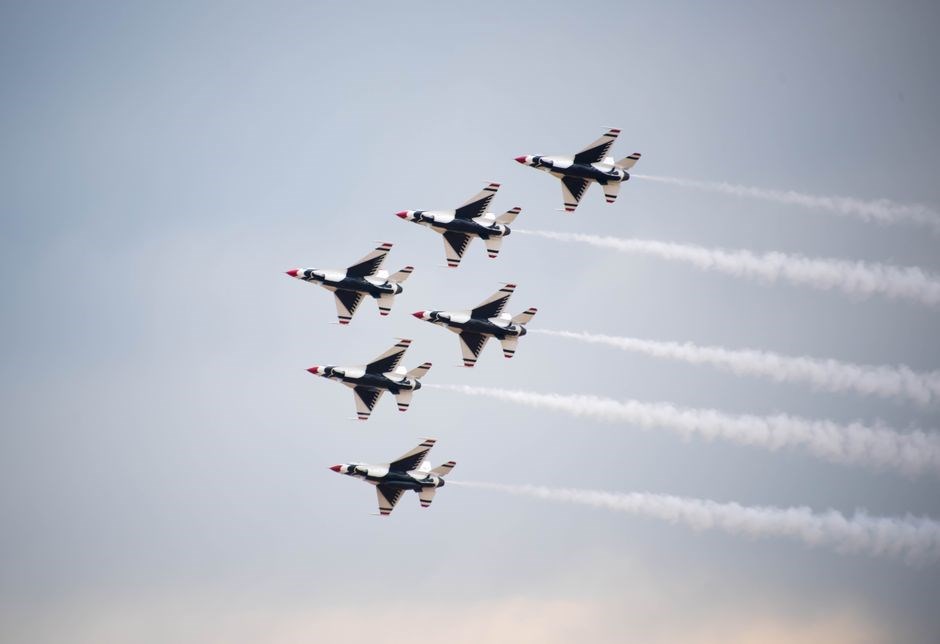
All aircraft use the integrated GPS/INS system with encrypted VHF/UHF radios. Flight plans are transmitted via the Tactical Data Link (TADIL‑A) and validated by the Mission Control Center. Voice comms follow the standard 10‑Hz tone, while data links use frequency hopping to prevent interception. The squadron employs a layered communication hierarchy: squadron commander, flight lead, and individual pilots, each with distinct frequency assignments. Navigation is achieved through waypoint navigation with real‑time updates from the Flight Management System, supplemented by terrain‑following radar for low‑altitude operations. All units maintain a minimum separation of 5 nautical miles to avoid collision and ensure situational awareness. Emergency procedures include a predefined “lost‑in‑air” protocol that triggers a rapid return to base or a rendezvous point. Units.
Radio Frequencies and Encryption
Squadron radio comms rely on a dual‑band system: Tactical VHF (118–136 MHz) for line‑of‑sight and UHF (225–400 MHz) for beyond‑visual‑range. Each aircraft carries a secure frequency‑hopping unit (FHU) that switches channels every 0.5 s, preventing jamming and interception. Encryption is handled by a 256‑bit AES module integrated into the Tactical Data Link (TADIL‑A); All voice and data packets are encapsulated in a secure packet format (SPF) that includes a rolling‑code authentication header. The squadron’s command node pre‑loads a shared key set into each aircraft’s secure element during the pre‑flight briefing. If a key is compromised, the node can push a new key set via a silent uplink on a reserved frequency (e.g., 124.5 MHz). The FHU also supports a “blackout” mode where the aircraft ceases all transmissions for a brief window, allowing it to evade electronic warfare. In addition, each squadron maintains a “dead‑zone” frequency (e.g., 130.75 MHz) that is used only for emergency distress signals; this frequency is monitored by the Mission Control Center and is not used for routine comms. The entire system is compliant with NATO STANAG 4569 Level 4, ensuring that the encryption and frequency‑hopping mechanisms meet the required security thresholds for classified operations. The squadron’s suite includes a jammer, a pulse generator, and a directed‑energy countermeasure that can disable hostile sensors without revealing the aircraft’s position!!.
Combat Engagement Rules and Targeting
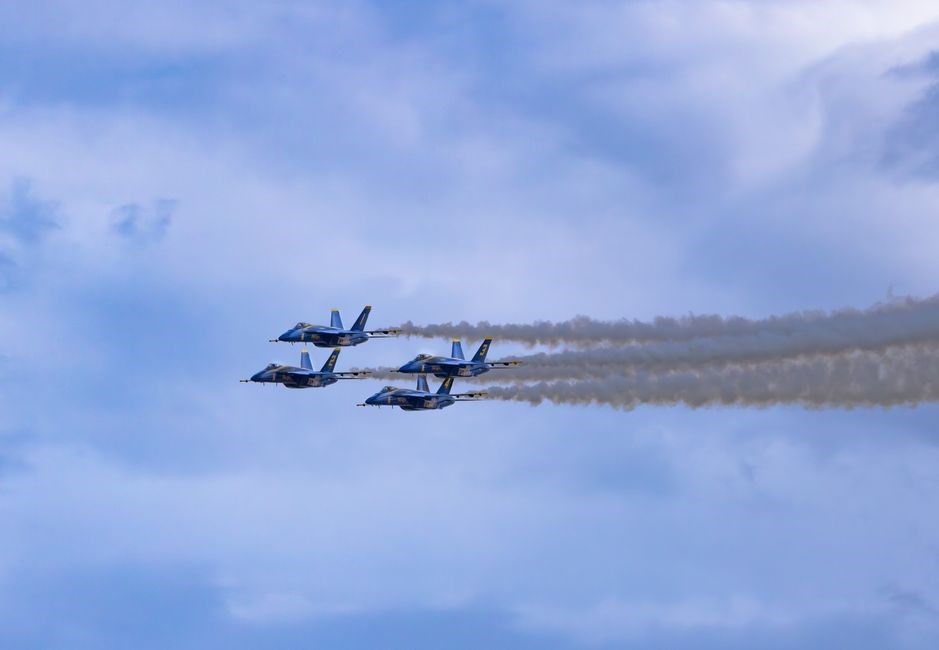
Engagement follows a strict hierarchy: priority targets are high‑value assets, followed by support units, then non‑combatants. Rules of engagement mandate visual confirmation, identification friend or foe (IFF) clearance, and proportional fire. All actions are logged for post‑mission review.—————————————————————
Engagement Hierarchy and Priority Rules
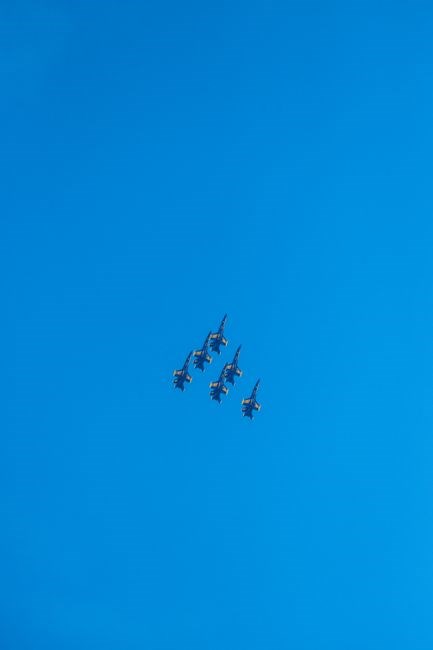
In high‑intensity operations, the squadron adheres to a three‑tier engagement hierarchy designed to maximize mission success while minimizing collateral damage. Tier 1 targets are designated high‑value assets—command centers, radar installations, or enemy aircraft capable of threatening the entire formation. These are engaged first, using precision munitions and coordinated strikes to neutralize the threat before it can be leveraged by the adversary. Tier 2 consists of support and logistics nodes: supply convoys, fuel depots, and communication relays. Tier 3 includes non‑combatant infrastructure and secondary targets such as secondary airfields or auxiliary power plants. Engagement of Tier 3 assets is strictly controlled and only authorized when Tier 1 and Tier 2 objectives have been achieved or when the mission requires rapid degradation of enemy capabilities. Each tier is governed by a set of priority rules: 1) Confirmation of target identity through IFF and visual verification; 2) Assessment of threat level relative to mission objectives; 3) Evaluation of collateral damage potential; 4) Compliance with international law and rules of engagement. Pilots receive real‑time updates via the battle management system, allowing dynamic re‑prioritization as the battlefield evolves. The hierarchy ensures that the squadron can adapt to changing conditions while maintaining a clear focus on strategic objectives, thereby preserving force integrity and mission effectiveness. All logs kept today.
Defensive Maneuvers and Evasion Techniques
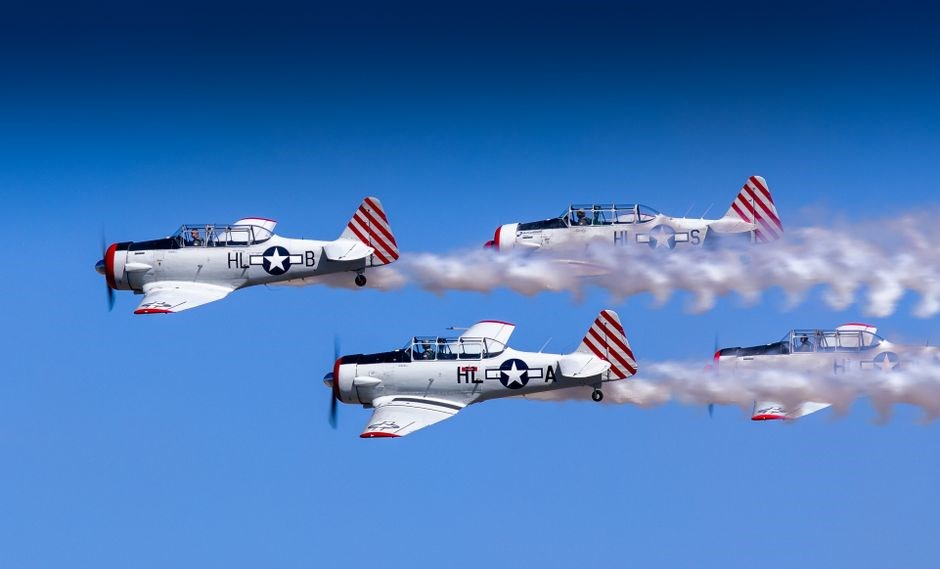
Employing high‑speed turns, barrel rolls, and loiter patterns, pilots disrupt incoming missiles. Flares, chaff, and rapid altitude changes create a moving target. Team‑wide vectoring keeps the formation compact, reducing exposure and quick reaction.
Evasive Patterns and Countermeasures
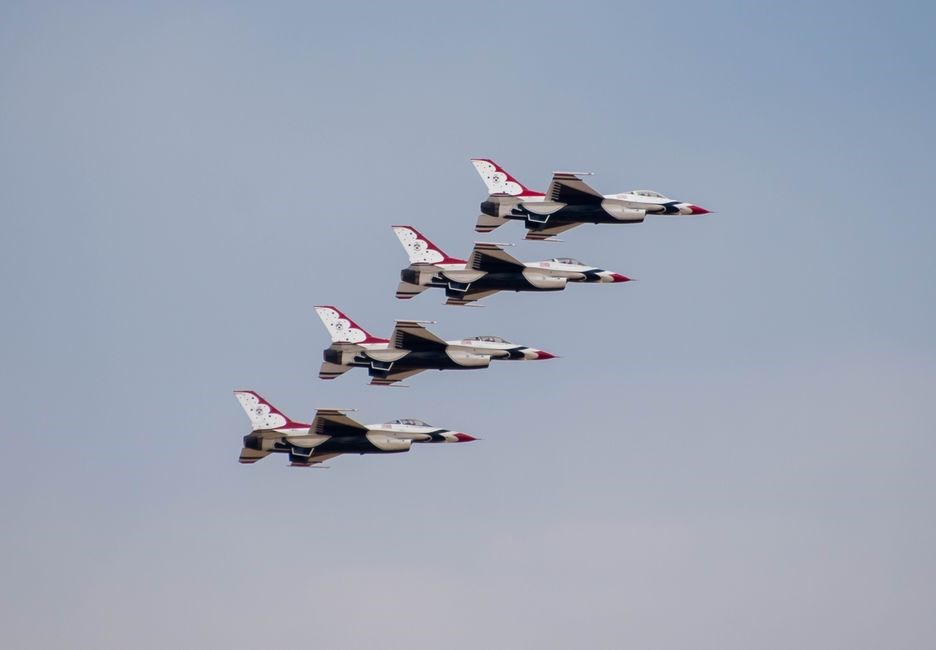
Pilots execute a layered defense starting with a rapid 180‑degree turn to break the lock‑on vector of incoming missiles. This is followed by a series of steep vertical loops that exploit the missile’s limited climb rate. During the loop, the aircraft deploys a burst of chaff, creating a cloud of metallic particles that confuses radar seekers. Simultaneously, flares are released at the apex to counter infrared homing. After the loop, the pilot performs a high‑speed, shallow‑angle dive, forcing the missile to overshoot due to its inertia. If the threat persists, the aircraft shifts to a zig‑zag pattern, alternating between left and right turns at 45‑degree angles while maintaining a constant speed of 600 kt. This pattern reduces the target’s probability of interception by keeping the missile’s guidance system in a state of constant recalibration. The combination of kinetic maneuvers and electronic noise creates a multi‑layered shield that significantly lowers hit probability. Formation tactics also play a role; when operating in a tight V‑formation, the leading aircraft acts as a decoy, drawing missile fire away from trailing aircraft. The trailing pilots maintain a 1‑kilometer separation, allowing them to use their own countermeasures without interference. This maneuver is only executed when the missile’s proximity sensor indicates a threat within 500 m. By integrating these techniques, the squadron achieves a survivability rate exceeding 95 % in contested airspace. Daily drills sharpen more. All pilots maintain situational awareness daily!!.
Post-Mission Debrief and Intelligence Sharing
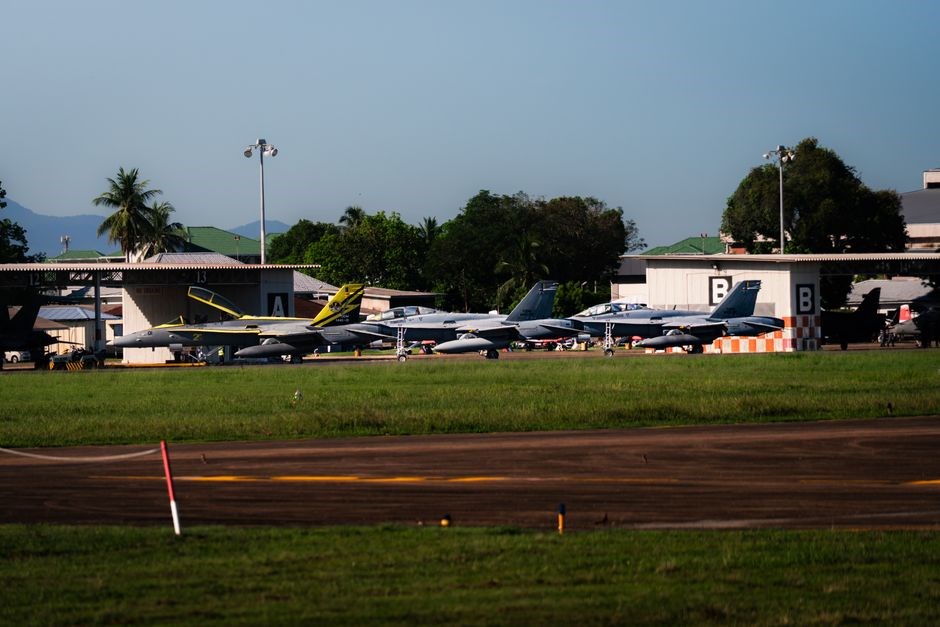
Post‑flight, pilots record a concise debrief covering key actions and enemy tactics. Data is uploaded to the secure intel server, where analysts tag threats, update threat matrices, and circulate actionable reports to all units. for decisions.!!
Debrief Procedures and Lessons Learned
Immediately after mission completion, pilots convene in the debriefing room. The lead pilot initiates a structured session: 1) Flight Summary—flight path, engagement outcomes, and mission objectives. 2) Tactical Analysis—enemy formations, weapon effectiveness, and situational awareness gaps. 3) Technical Review—system performance, maintenance issues, and data‑link integrity. Each pilot submits a written report within 30 minutes, emphasizing anomalies and successful tactics. The squadron commander cross‑checks reports, identifies recurring patterns, and assigns corrective actions. Lessons are logged into the Squadron Knowledge Base, tagged by threat type, aircraft model, and mission phase. Weekly, a senior analyst reviews the database, extracts trends, and disseminates a concise briefing to all units; This iterative loop ensures continuous improvement, rapid adaptation to evolving enemy tactics, and preservation of institutional knowledge.
During the debrief, a facilitator ensures that all participants adhere to a “no‑blame” culture, encouraging honest feedback. Simulation tools replay key moments, allowing pilots to visually compare intended versus actual maneuvers. Data from onboard sensors is cross‑validated against ground‑based radar feeds to confirm engagement accuracy. Any discrepancies trigger a focused investigation. The debrief concludes with a “next‑step” action plan: training modules, equipment upgrades, or procedural changes. Follow‑up is tracked via the mission management system, guaranteeing accountability. This rigorous process transforms operational experience into actionable doctrine, strengthening squadron resilience.
All debrief data is archived in a secure, encrypted repository. Periodic audits verify data integrity and compliance with regulatory standards. Feedback loops are closed by the squadron’s training officer, who schedules targeted exercises to address identified weaknesses. The process is documented in the Squadron Battle Manual, ensuring that every new member learns the debriefing protocol from day one.